Every successful custom home starts long before construction begins. The vision, the flow, the functionality—all of it is shaped by architectural planning. This phase is where ideas are translated into blueprints, problems are solved before they arise, and homes are tailored to how people actually live. Without thoughtful architectural input, even the best materials or craftsmanship can’t deliver a truly functional or personalized result.
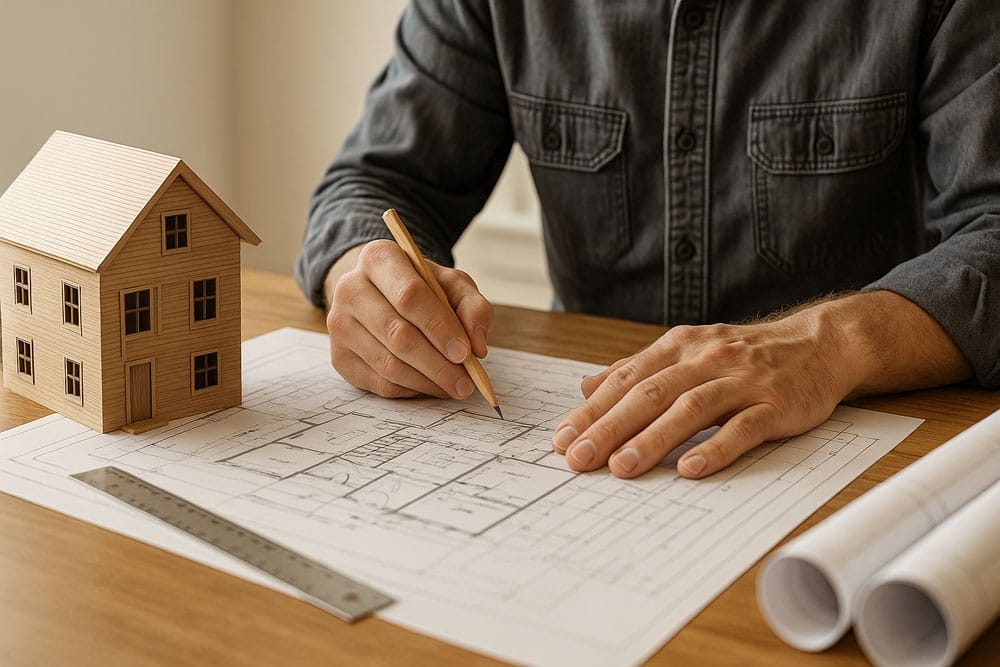
We see architectural planning as the cornerstone of custom residential construction. It’s where our clients’ goals, the site’s conditions, and building codes all intersect to form a complete, executable design. Whether we’re designing a new build from the ground up or adding onto an existing home, it starts with listening. What do you need from the space? What are your style preferences? How do you want the home to function in the years ahead?
This process helps us define more than just the number of bedrooms or square footage. It defines how natural light will move through the home, how one space will transition into another, and how views, privacy, and accessibility will be prioritized. These are the details that turn a house into a custom home—one built around your routine, your family, and your lifestyle.
Architectural planning also helps avoid costly mistakes later in the project. By investing time upfront in detailed site evaluation, zoning research, and structural planning, we prevent design changes mid-project that can delay timelines or inflate budgets. It also ensures that utilities, grading, and foundation work are prepared to support the final build.
We use architectural drawings to communicate clearly with subcontractors, suppliers, and inspectors. These plans serve as the blueprint for construction and ensure that everyone involved is working from the same vision. That consistency helps keep the project organized and efficient, with fewer missteps or delays.
In the case of renovations or additions, architectural planning is even more critical. We evaluate the existing structure, rooflines, load paths, and electrical systems to create designs that are not only beautiful, but structurally sound. That way, the new work blends seamlessly with the old, both visually and physically.
Our process includes 3D modeling when appropriate, which gives clients a better understanding of scale, materials, and finishes before construction begins. Seeing your home come to life digitally builds confidence in the plan and often sparks new ideas that improve the final layout.
Architectural planning also plays a role in budget control. By detailing materials, dimensions, and finishes in advance, we’re able to produce more accurate cost estimates. That prevents the common issue of escalating budgets due to vague plans or late-stage design decisions.
Permitting is another area where professional planning matters. Building codes, setback requirements, HOA restrictions, and environmental regulations vary from site to site. Our architectural planning process ensures the design is compliant with all relevant rules before it ever hits the permit office—saving valuable time and avoiding frustrating red tape.
Custom homes require custom planning. Whether your goal is a mountain retreat, modern farmhouse, or a timeless two-story residence, architectural design is where it all begins. It’s the phase that puts structure to your ideas and sets the tone for every decision that follows.
We believe great homes are built twice—first on paper, then on the job site. And the more intentional we are with the first version, the better the result on move-in day.
Contact Off Duty Fireman Construction at 828-676-0854 or visit our Facebook page to start designing your next custom project with a team that values architectural planning as much as you do.
#ArchitecturalDesign #CustomHomePlanning #SmartConstruction